WordPress Techniques for Merging Sample Pages with Media Upload Workflows to Support Casino Branding Consistency
Elena Koch · Sep 20, 2026
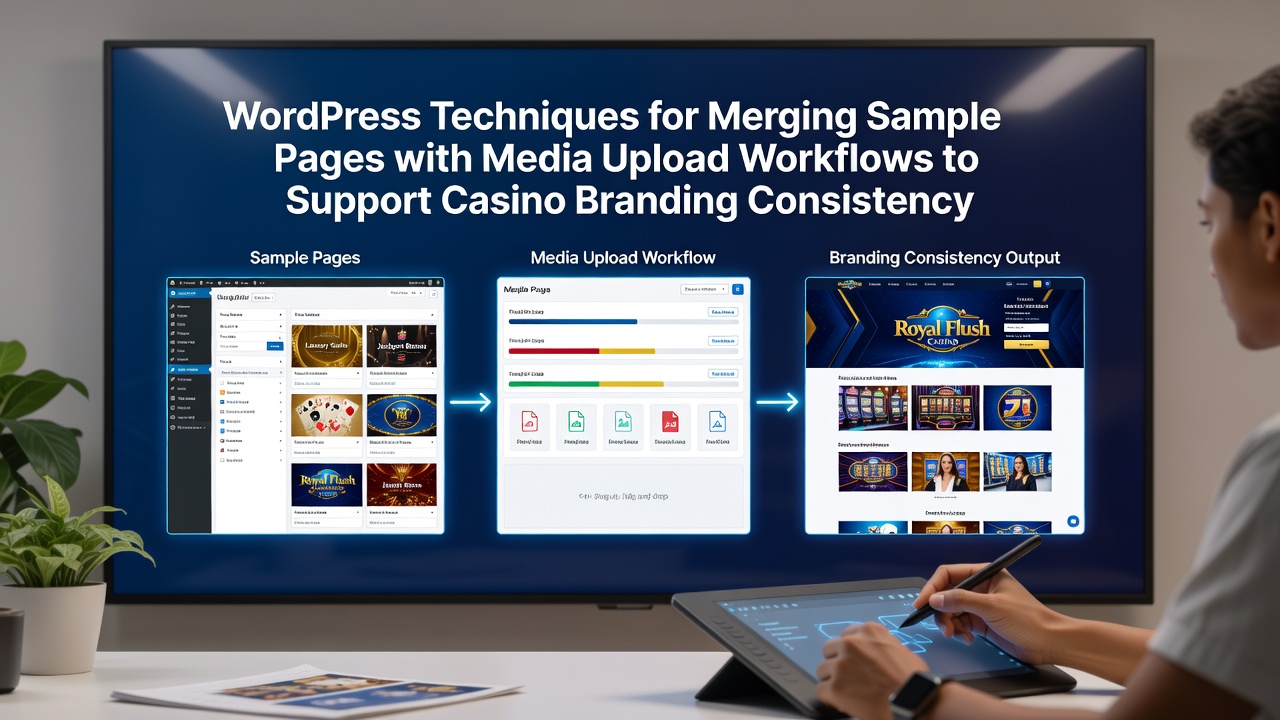
WordPress Techniques for Merging Sample Pages with Media Upload Workflows to Support Casino Branding Consistency
WordPress platforms support structured approaches that combine sample page templates with organized media upload processes, and these methods help casino operators maintain visual and thematic consistency across their digital properties. Developers often begin by establishing custom page templates that incorporate placeholder content for promotional sections, regulatory notices, and game listings, while the media library serves as a central repository for logos, banners, and promotional graphics that align with specific brand guidelines.
Establishing Sample Pages as Foundational Elements
Sample pages in WordPress function as reusable blueprints that define layout structures for casino websites, and these templates typically include designated areas for hero images, navigation menus, and footer sections that must match approved brand assets. Site administrators create these pages through the block editor or page builders, then assign custom fields that reference media items stored in the library; this setup allows quick duplication when new promotional campaigns launch. Observers note that consistent application of these templates reduces variation in how color palettes and typography appear across different sections of a casino site.
Media Upload Workflows and Library Organization
Media upload workflows in WordPress involve configuring upload directories, file naming conventions, and metadata fields so that every image or video file carries identifiers tied to brand categories such as primary logos, secondary graphics, or player testimonials. Administrators enable plugins that add custom taxonomies to the media library, which lets teams filter assets by campaign date or regulatory region before insertion into sample pages. Data from industry reports shows that structured libraries cut down on duplicate uploads and version conflicts when multiple team members handle content updates simultaneously.
Integration Methods That Connect Pages and Media
Integration begins with hooks and filters that automatically populate sample page placeholders with approved media files upon upload, and developers implement these connections through theme functions or dedicated plugins that map file metadata to specific template locations. For instance, a filter can detect when a new banner image tagged with a casino's primary color scheme enters the library and then suggest its placement in the hero section of a sample promotions page. Those who manage large casino sites report that such automation maintains alignment with branding requirements even during high-volume content periods.
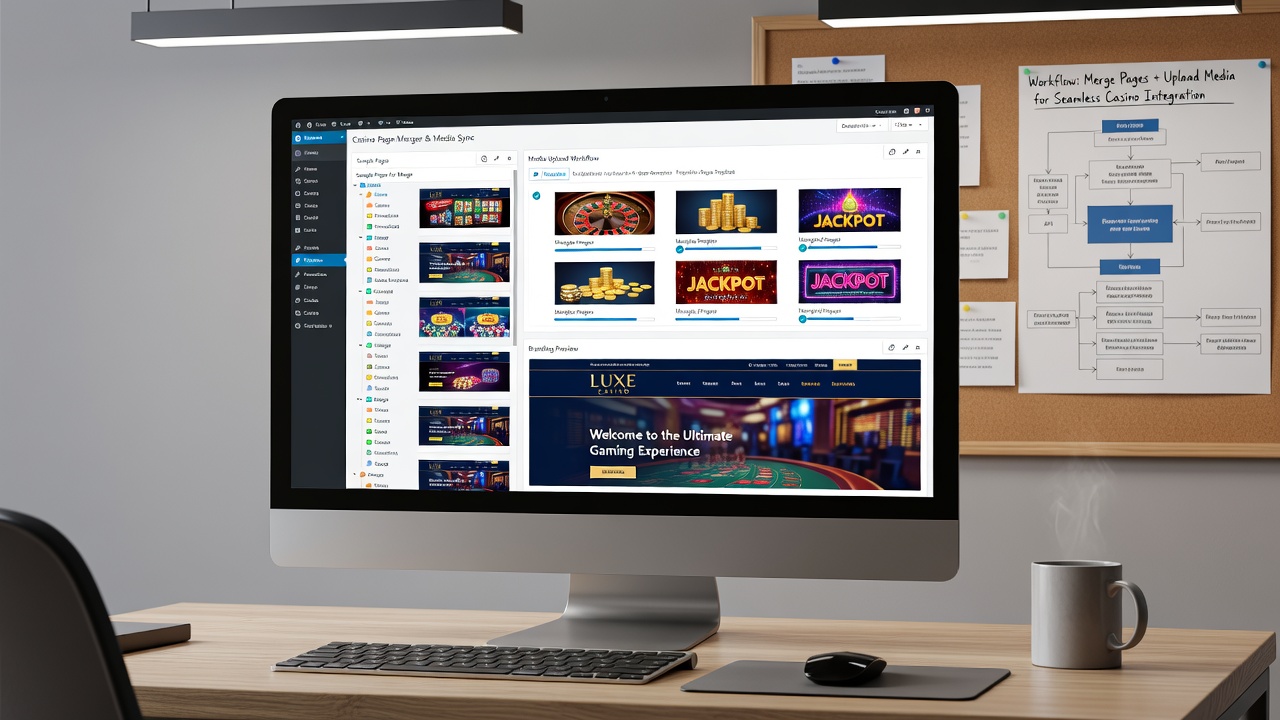
Another technique relies on custom post types that treat sample pages as data containers linked directly to media entries, allowing queries to pull matching assets based on attributes like aspect ratio or file type. Administrators set permissions so only designated roles can modify these links, which protects brand integrity while permitting content editors to refresh text around fixed visual elements. Research from university studies on content management systems indicates that these linked structures improve load times because media files remain optimized and cached according to consistent rules.
Supporting Regulatory and Branding Standards
Casino operators must meet standards set by various gaming authorities, and WordPress techniques that merge sample pages with media workflows help demonstrate compliance through traceable asset usage. Figures from the Malta Gaming Authority reveal that sites with documented media management processes experience fewer discrepancies during audits of promotional materials. In September 2026, updates to certain regional licensing frameworks are expected to emphasize digital branding audits, prompting more operators to adopt these integrated WordPress methods for record-keeping and version control.
Teams also incorporate accessibility checks during the upload workflow so that alt text and captions for media files follow casino branding voice guidelines while satisfying broader web standards. This dual focus ensures that visual consistency extends to screen reader outputs and search engine indexing without requiring separate review cycles.
Practical Implementation Steps Observed in Casino Projects
Implementation typically starts with an audit of existing sample pages to identify gaps in media references, followed by mapping each gap to specific library categories. Developers then configure bulk upload tools that apply naming prefixes and taxonomy terms automatically, and they test the workflow on staging environments before pushing changes live. One documented project at a regional casino operator demonstrated that after these steps, brand element reuse across pages increased while manual corrections dropped noticeably.
Monitoring comes next through dashboard widgets that track media usage statistics and flag any sample page that references an outdated asset. External sources such as the Nevada Gaming Control Board guidelines on promotional consistency and reports from the Victorian Commission for Gambling and Liquor Regulation provide benchmarks that administrators compare against their WordPress setups to verify ongoing alignment.
Conclusion
WordPress techniques that merge sample pages with media upload workflows deliver measurable support for casino branding consistency by creating traceable, automated connections between content structures and approved visual assets. These approaches scale across multiple site sections while accommodating regulatory updates expected in September 2026 and beyond, and they rely on established platform features combined with targeted customizations rather than entirely new systems. Operators who apply these methods observe steadier brand presentation across their digital properties.