Utilizing Template Pages to Align Visual Resources Across User Sections in Digital Entertainment Blogs
Katja Werner · Oct 18, 2026
Utilizing Template Pages to Align Visual Resources Across User Sections in Digital Entertainment Blogs
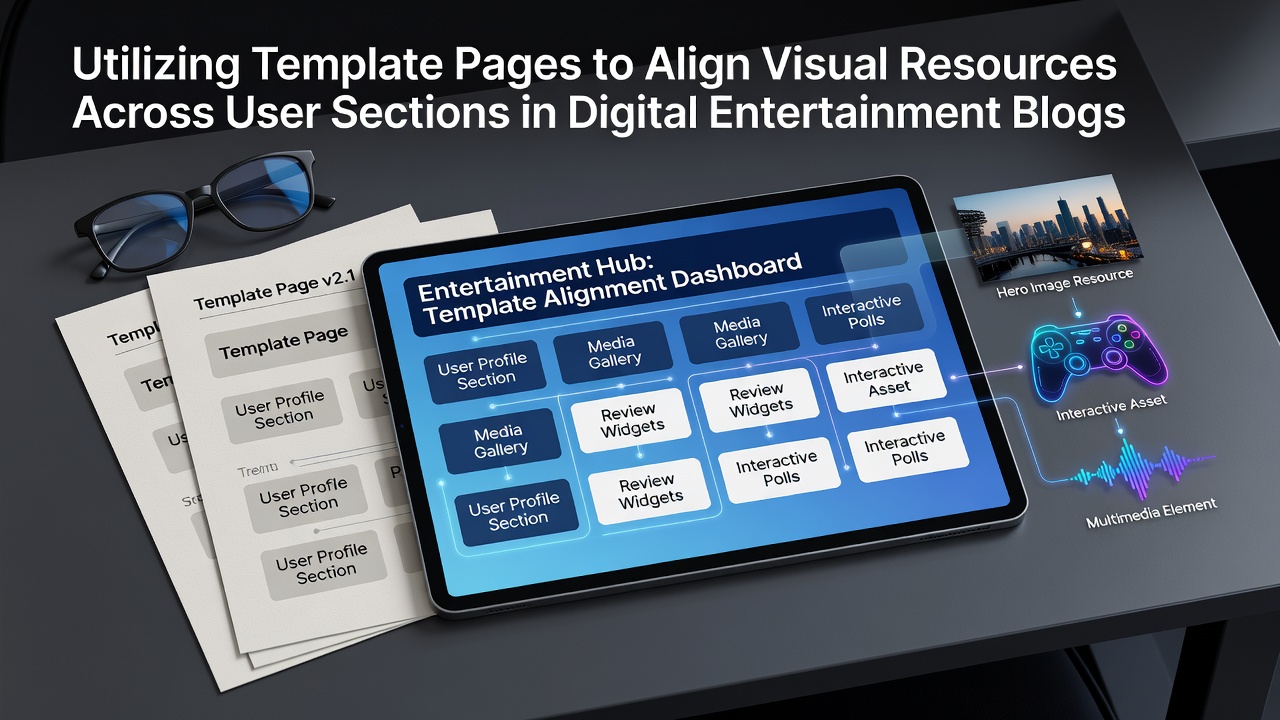
Digital entertainment blogs rely on structured approaches to maintain visual consistency, and template pages serve as foundational tools that standardize layouts for elements such as headers, image placements, and color schemes across multiple user sections. These pages function within content management systems by providing reusable frameworks that define spacing, typography, and media integration rules, which helps ensure that sections like author profiles, comment areas, and featured content displays present information in a unified manner. Observers note that this standardization becomes particularly relevant in environments where multiple contributors upload materials daily, as it reduces discrepancies that arise from individual formatting choices.
Core Functions of Template Pages in Entertainment Blog Structures
Template pages operate by establishing predefined zones for visual assets, including banner images, thumbnail grids, and icon sets, so that every user section adheres to the same dimensional and stylistic parameters. Researchers from the Digital Media Research Centre at Queensland University of Technology have documented how such templates support alignment when blogs scale to include interactive features like user-generated reviews or live event updates. Data indicates that organizations adopting these pages report fewer instances of mismatched visuals, because the templates enforce rules for file formats, resolution standards, and aspect ratios before content goes live. Experts observe that the process begins with mapping out common elements across sections, then coding those mappings into reusable blocks that pull from a central asset library.
Alignment extends beyond static images to dynamic components, where template pages dictate how video embeds, animated graphics, and interactive polls render within author biographies or reader feedback modules. This approach proves useful during periods of high content volume, such as the increased posting activity observed across digital entertainment platforms in October 2026, when seasonal promotions and new game releases drive frequent updates. Those who manage large blog networks find that templates allow quick replication of visual styles without requiring each editor to adjust individual CSS properties or reposition assets manually.
Integration Across User Sections and Media Handling
User sections in these blogs typically encompass contributor directories, comment threads, and personalized recommendation feeds, all of which benefit from templates that synchronize visual resources. A template might specify that every author profile uses the same header gradient and circular avatar frame, while comment sections maintain consistent spacing around user avatars and timestamp icons. This synchronization occurs because the template references shared variables for colors, fonts, and padding values that propagate through the entire site structure. Studies from research institutions show that such consistency improves navigation efficiency, as readers encounter familiar visual cues regardless of which section they access.
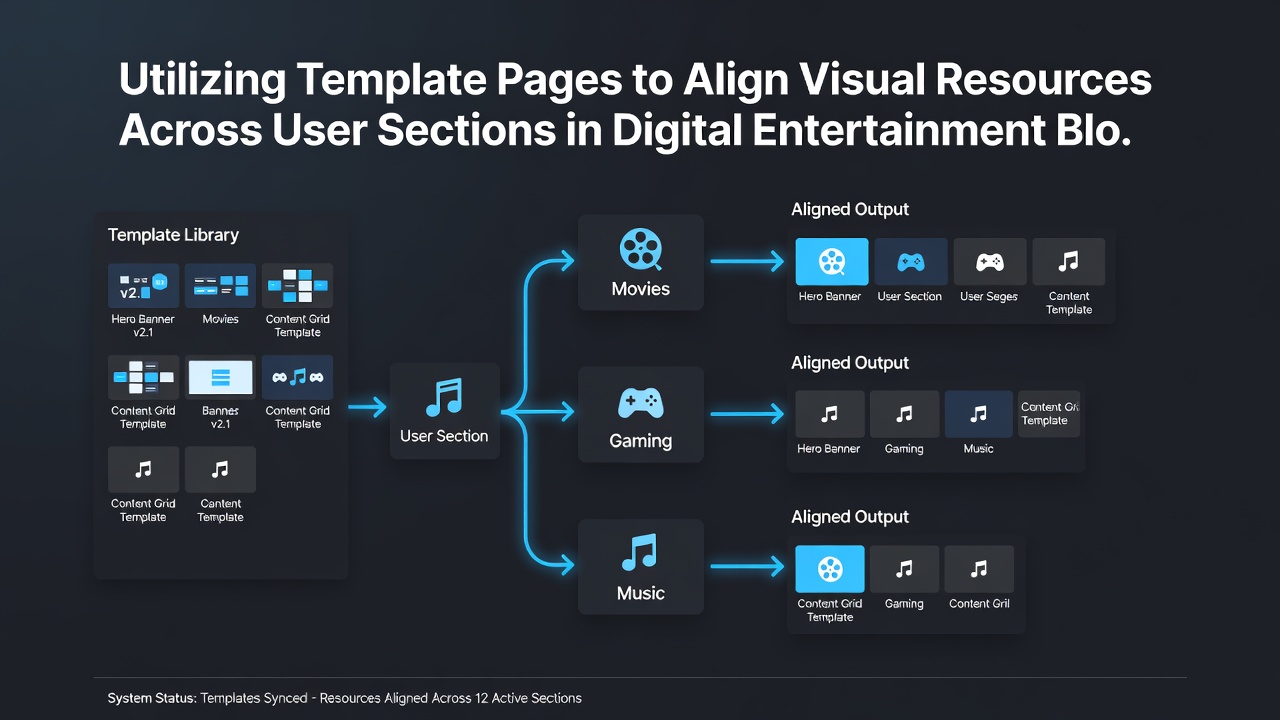
Media resource alignment receives further support when templates incorporate conditional logic that adjusts image displays based on section type. For instance, featured post sections might prioritize wide landscape images, whereas sidebar user statistics use compact square thumbnails, yet both draw from the same approved asset pool to maintain brand coherence. According to industry reports compiled by the Interactive Games and Entertainment Association, blogs that implement these layered template systems experience streamlined workflows during content audits, since discrepancies surface early through automated preview checks rather than post-publication corrections.
Practical Implementation Patterns Observed in 2026
Implementation starts with an audit of existing visual assets to identify recurring patterns that templates can codify. Teams then develop master templates that include modular components for each user section, testing them across desktop and mobile breakpoints to confirm responsive behavior. In October 2026, several entertainment blog networks reported adopting updated template versions that accommodate emerging media formats such as short-form vertical videos and AR preview overlays. These updates rely on version-controlled template files that allow rollback if new alignments conflict with legacy content.
Cross-section testing forms a key step, where developers load sample content into author profiles, navigation menus, and reader interaction areas simultaneously to verify that visual resources scale uniformly. Data from platform analytics platforms reveals that sites using comprehensive template systems record higher retention metrics during multi-section browsing sessions, because visual continuity reduces cognitive load for visitors. Experts have observed that training content teams on template usage further reinforces alignment, as contributors learn to select from predefined asset categories rather than uploading custom-formatted files.
Conclusion
Template pages provide a systematic method for aligning visual resources across the varied user sections found in digital entertainment blogs. By establishing reusable frameworks that govern layout rules, media specifications, and stylistic variables, these tools support consistent presentation even as content volume grows. Evidence from academic and industry sources confirms that structured template adoption correlates with improved operational efficiency and reduced visual inconsistencies. As platforms continue to evolve with new media types and user interaction features, the role of template pages remains central to maintaining coherent visual experiences throughout blog environments.