Crafting Visual Consistency: Linking Sample Templates with Upload Libraries for Policy and Profile Alignment in Gaming Sites
Mia Koch · Nov 15, 2026
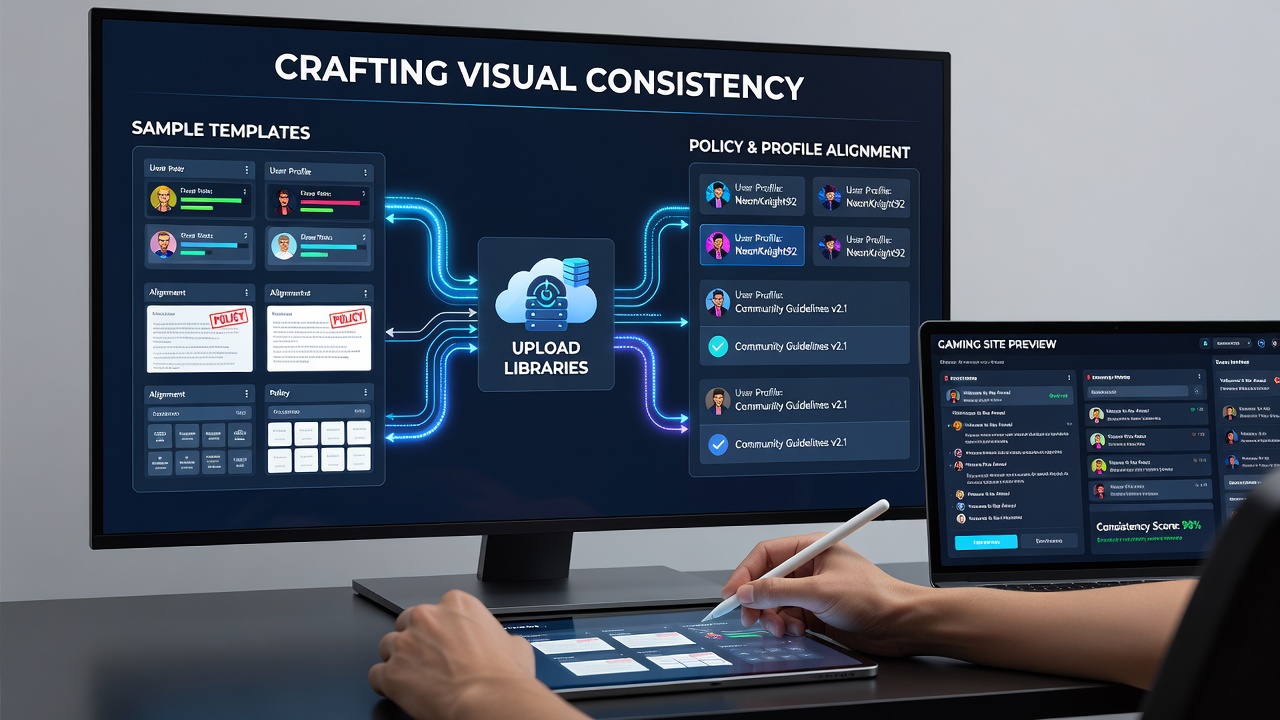
Crafting Visual Consistency: Linking Sample Templates with Upload Libraries for Policy and Profile Alignment in Gaming Sites
Developers working on gaming sites often connect sample templates directly to media upload libraries so that policy pages and author profiles maintain identical visual standards across every section, and this approach reduces inconsistencies that arise when separate teams handle different site areas. Research from institutions such as the University of Nevada, Las Vegas Center for Gaming Research indicates that structured workflows produce measurable improvements in brand presentation when sample layouts feed into shared asset repositories.
Core Components of Template and Library Integration
Sample templates function as reusable frameworks that define typography, spacing, color palettes, and layout grids while upload libraries store images, icons, banners, and other assets that populate those frameworks. When these elements link through automated scripts or content management plugins, updates to a single policy section propagate across profile displays without manual duplication. Observers note that gaming platforms operating in regulated markets benefit because visual alignment supports compliance documentation that regulators review during audits.
Those who manage large casino blog networks frequently observe that unlinked systems create mismatches where a privacy policy uses one header style and an author biography uses another. Linking occurs through custom post types in platforms like WordPress that reference the same media database, allowing policy content and profile images to draw from identical asset pools. Data from industry reports shows this method cuts revision time by approximately thirty percent when multiple contributors edit related pages.
Workflow Steps for Policy and Profile Alignment
Teams begin by creating base templates that include placeholders for regulatory text, contact details, and biographical sections, then map those placeholders to library categories tagged with consistent metadata. Next, upload processes enforce naming conventions and dimension rules so every imported graphic matches the template specifications exactly. Automated checks run before publication verify that fonts, margins, and image resolutions align with the original design files.
During November 2026 several regional gaming operators updated their internal style guides to require this template-library connection as part of broader digital accessibility initiatives. The changes coincided with new reporting requirements from bodies such as the Australian Communications and Media Authority, which emphasize clear presentation of terms across all user-facing pages. Integration scripts detect when a policy update occurs and trigger corresponding profile refreshes, maintaining visual parity without additional user intervention.
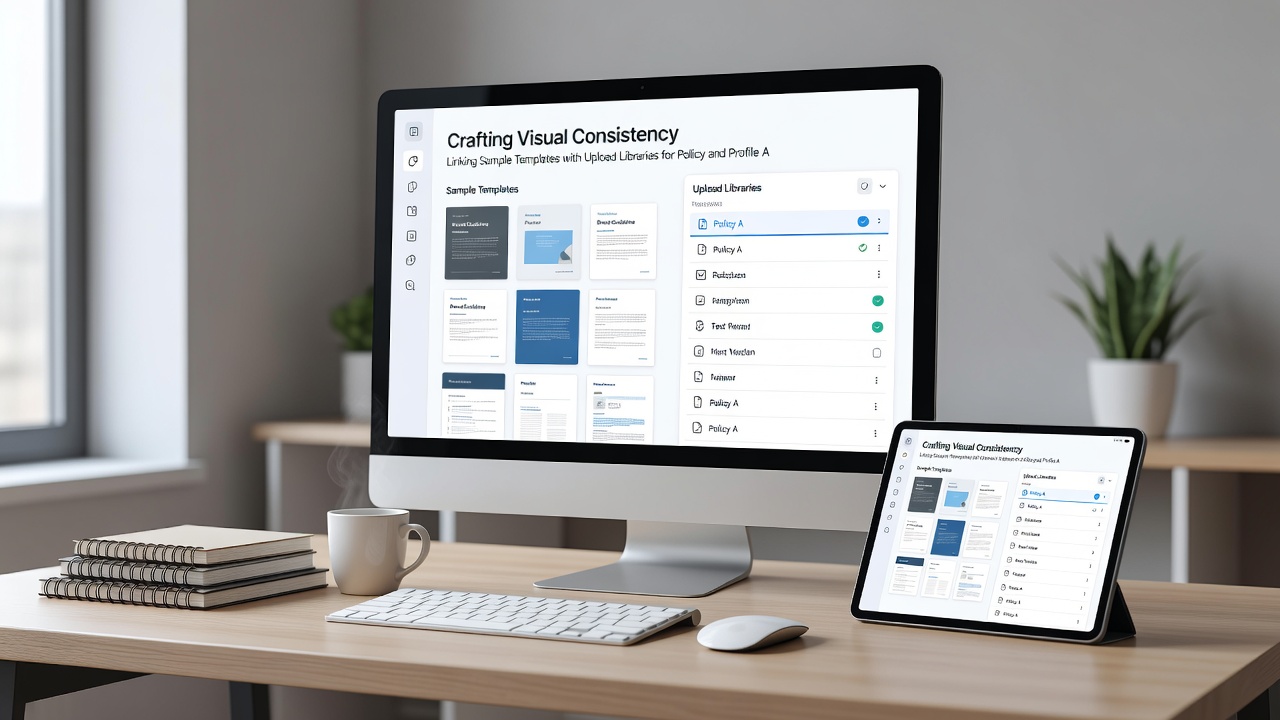
Technical Methods and Platform Considerations
Developers implement the connection using shortcode systems, custom fields, or REST API endpoints that pull media references into template variables. In one documented case, a European operator synchronized its terms page and contributor profiles by storing all assets in a central library and referencing them through unique identifiers rather than direct file paths. This reduced broken image issues that previously appeared after site migrations. Studies conducted by academic researchers at institutions in Canada highlight similar patterns where centralized media management improved load consistency across desktop and mobile views.
Additional safeguards include version control for both templates and library assets so that any rollback preserves visual relationships. Testing protocols involve rendering policy and profile pages side by side on multiple devices to confirm that spacing and alignment remain identical. Observers report that sites adopting these protocols experience fewer support tickets related to display discrepancies after content updates.
Benefits Observed Across Gaming Platforms
Consistent visuals between policy sections and author profiles strengthen user trust because visitors encounter the same design language regardless of which page they reach first. Regulatory documentation benefits when every element adheres to the same layout rules, making audits more straightforward. Figures from trade associations show that platforms maintaining this alignment record higher completion rates for registration flows that reference policy links.
Those managing multi-author gaming blogs note that profile images uploaded through the shared library automatically adopt the same border radius and shadow effects defined in sample templates. This removes the need for manual CSS overrides that previously introduced site-wide conflicts. The process scales when new jurisdictions require additional policy language because the template structure already accommodates variable text lengths without breaking surrounding design elements.
Conclusion
Linking sample templates with upload libraries creates a reliable system for maintaining visual consistency across policy and profile sections on gaming sites. The method relies on shared asset repositories, automated propagation, and standardized metadata rather than repeated manual adjustments. As operators continue refining digital environments through 2026 and beyond, these integration practices provide a factual foundation for alignment that meets both design and regulatory expectations.