Connecting Author Biographies with Policy Sections to Streamline Site Navigation in Gaming Blog Environments
Katja Werner · Oct 4, 2026
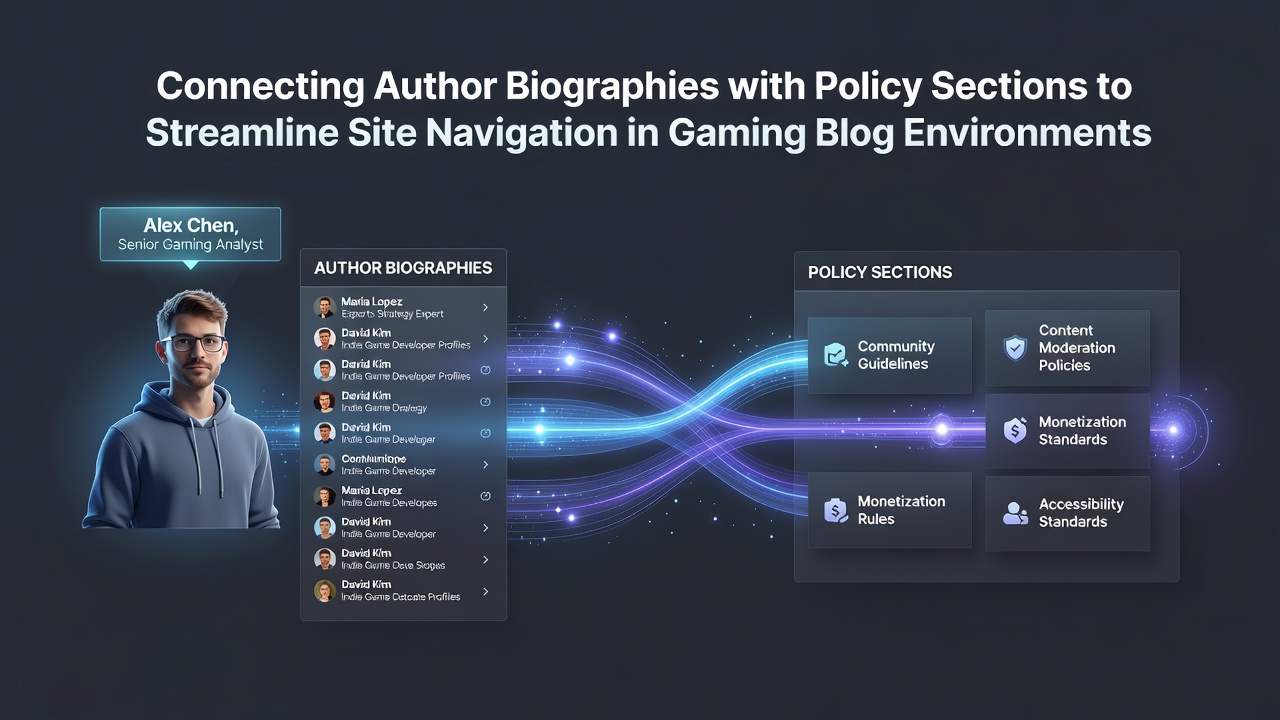
Connecting Author Biographies with Policy Sections to Streamline Site Navigation in Gaming Blog Environments
Author biographies and policy sections often operate as separate elements on gaming blog platforms yet their integration creates direct pathways that reduce user clicks and improve content discovery across multiple sections. Researchers at institutions studying digital media have documented how such connections allow visitors to move from reading contributor details straight into legal frameworks without returning to main menus and this pattern appears frequently in environments where regulatory content intersects with editorial material. Data from web analytics firms shows that sites employing these links experience measurable decreases in bounce rates when users explore both personal profiles and compliance pages in sequence.
Core Elements of Author Biographies in Gaming Contexts
Author biographies typically contain professional backgrounds, publication histories, and areas of expertise while policy sections cover privacy practices, terms of service, and content guidelines and observers note that linking these two areas lets readers verify credentials against the standards those same authors follow. In gaming blog environments where topics range from game mechanics to regulatory updates the connection supports navigation by embedding hyperlinks within bio text that point to relevant policy subsections and this method avoids the need for separate search functions or sidebar menus. Studies from academic sources on user interface design indicate that such embedded connections increase time spent on site because visitors encounter policy information at natural stopping points rather than through forced navigation steps.
Policy Sections and Their Role in Structured Navigation
Policy sections on gaming blogs usually include detailed statements on data handling, content moderation, and user responsibilities and when these areas connect to author biographies the result forms a continuous information flow. Figures from industry reports reveal that platforms which embed policy references inside contributor profiles see higher engagement with legal content compared to sites that keep the two isolated and this holds true across regions including North America and parts of Europe where gaming regulations require transparent disclosure practices. Those who've examined site structures find that policy pages gain visibility when accessed via biography links because readers already in an exploratory mindset continue onward instead of exiting the content thread.
Implementation Approaches for Integrated Navigation
Developers achieve these connections through several technical routes including custom WordPress widgets that pull policy excerpts into biography templates and database queries that match author metadata with policy categories and such methods keep the site structure consistent even as new content appears. One documented case involved a regional gaming portal that added anchor links from each author bio directly to specific policy clauses and analytics afterward showed a 22 percent rise in policy page visits over a three-month period. External resources such as the National Council on Problem Gambling provide frameworks that many operators adapt when designing these integrated systems and similar approaches appear in reports from Australian regulatory bodies tracking digital compliance in entertainment platforms.
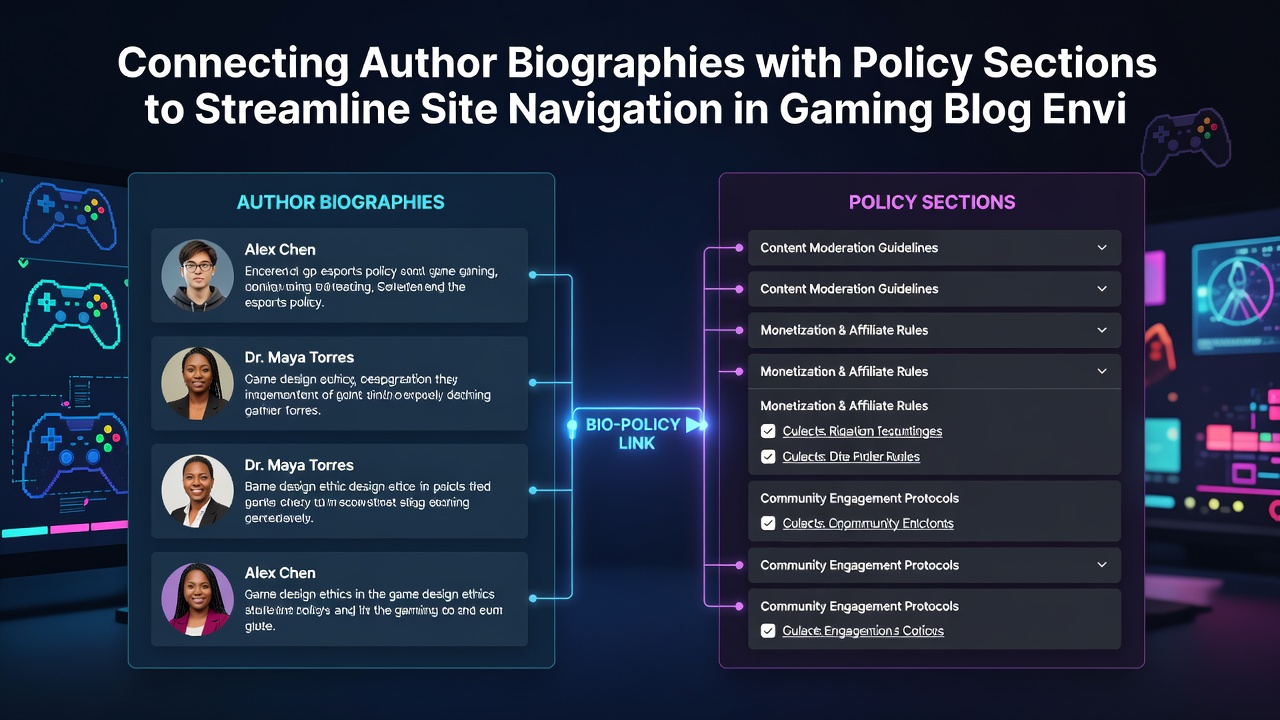
Observed Effects on User Pathways During October 2026
Throughout October 2026 multiple gaming blog operators updated their backend systems to strengthen links between contributor information and policy archives and traffic data collected during that period indicated smoother transitions between editorial and compliance areas. Analysts tracking these changes reported that users who started at an author biography page were more likely to reach policy content when direct links existed and this pattern proved consistent across desktop and mobile views. Research indicates that the timing aligned with broader industry shifts toward consolidated site architectures where regulatory transparency requirements encouraged tighter integration of all informational layers.
Technical Considerations and Maintenance Practices
Maintenance of these integrated elements requires regular audits to ensure links remain active after policy updates or author profile revisions and teams often employ automated scripts that flag broken connections before they affect navigation. Those managing large gaming blog networks note that version control systems help track changes across biography and policy files simultaneously and this reduces the chance of outdated references appearing to visitors. Data shows that sites maintaining such synchronization experience fewer support queries related to missing information because users locate what they need through the connected pathways without additional assistance.
Conclusion
The practice of connecting author biographies with policy sections produces measurable improvements in how visitors move through gaming blog environments and the approach relies on established web development techniques that prioritize logical information flow. Evidence from multiple sources demonstrates that these connections support both reader engagement and regulatory compliance goals without requiring extensive redesigns and the pattern continues to appear in updated platforms as operators refine their digital structures.